
How to raise the average ticket on delivery apps (without relying on discounts)
Raising the average ticket is one of the most effective ways to improve delivery profitability. We show you practical strategies to do it without eroding margin.
If you want to improve your delivery profitability, don't start by lowering prices. Start by raising the average ticket.
Many restaurants try to grow by increasing orders. But a smarter strategy is to get each order to bill more. The impact on margin is immediate… and much healthier.
extra ticket, with no permanent discount.
healthier than pushing volume at the cost of margin.
aggressive promos needed to sell better.
Relative impact
- Raise ticket 15% with combosHigh
- Raise orders 30% with a promoMedium
- Cut prices to competeNegative
A +15% ticket usually leaves more contribution than a +30% order lift bought with discounts. Volume without ticket is noise.
Why average ticket is the metric with the biggest impact
Raising the average ticket improves:
- Margin per order
- Operational efficiency
- Profitability against commissions
If your average ticket rises 15%, the impact on margin can be greater than a 30% increase in orders. And it requires no discounts.
Same kitchen
Average ticket
+15%
Discounted orders
+30%
More orders mean more packing, more peaks, and more commission. More ticket leverages the order that already came in.
Design strategic combos, not promotions
A common mistake is using aggressive discounts to “move volume.” Instead, design:
- Combos that group high-margin products
- Family options with perceived value
- Packs that include drinks or sides
The goal isn't to sell cheaper. It's to sell more complete.
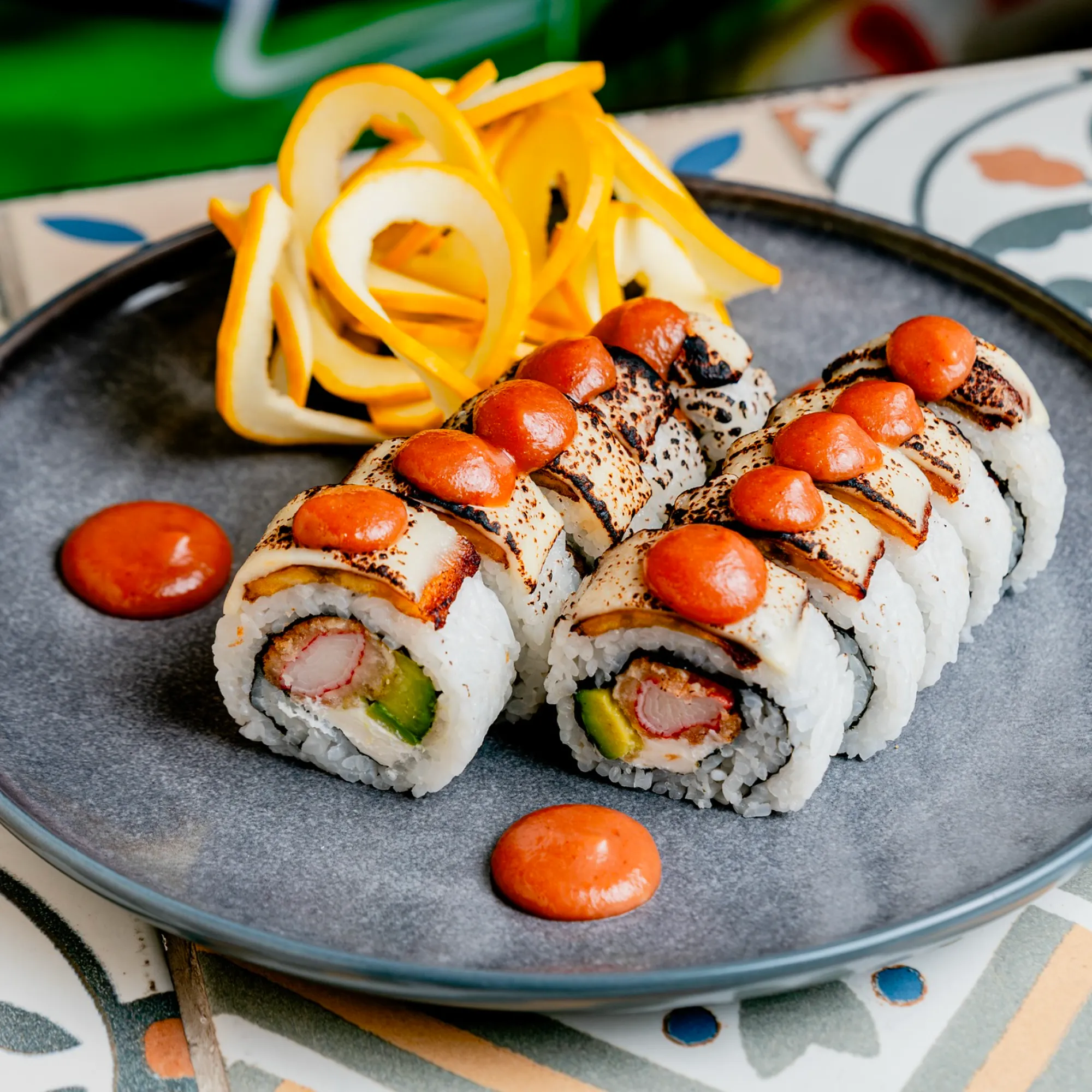
High-margin combo
- Main58%
- Drink24%
- Side / dessert18%
The main opens the order. The drink and the extra are the ticket almost nobody fights over — and where margin lives.
Menu architecture: what gets seen, gets sold
Apps work like a digital shelf. If the highest-margin product is hidden at the end of the menu, it doesn't sell.
Some key actions:
- Feature premium products at the top
- Use descriptions that increase perceived value
- Add professional photos
- Simplify categories
Order directly impacts the ticket.
Smart upselling and cross-selling
Apps allow automatic suggestions:
- “Add a drink for…”
- “Complete your combo for…”
- “Other customers also ordered…”
When set up well, upselling raises the average ticket, creates no friction, and increases margin without lowering prices. But it requires constant analysis.
Strategic pricing vs. competitive pricing
Many restaurants set prices on apps “by watching the competition.” The problem: they don't consider cost structure or commission.
Correct pricing on marketplaces:
- Offsets commission
- Maintains brand perception
- Sustains margin
It's not about being the cheapest. It's about being profitable.
Healthy growth in delivery doesn't depend on permanent discounts. It depends on strategic menu design, digital architecture, and data analysis.
When the average ticket rises, profitability stops being a problem.
More articles
Why your delivery sells but isn't profitable (and how to fix it)
Selling more isn't always earning more. Why your delivery loses margin and how to reverse it.
How to professionalize the delivery channel in your restaurant (step-by-step guide)
How to structure your delivery as a profitable, scalable business unit, step by step.
Ready to apply this to your delivery?
Every article comes from real work with restaurants. Let's talk about yours.